
"national economy"
1000 article(s) found

The flavor of Salvadoran coffee an introduction to Salvadoran coffee
In the early 1990s, guerrilla warfare greatly damaged the country's national economy, reducing coffee production from 3.5 million bags in the early 1970s to 2.5 million bags in 1990-1991. The eastern part of the country was most affected by guerrilla warfare, and many farmers and workers were forced to leave the manor. The shortage of funds has led to a sharp drop in coffee production, from 1200 kg per hectare in the past to no yield per hectare today.

How do coffee farmers in El Salvador grow coffee beans
In the early 1990s, guerrilla warfare greatly damaged the country's national economy, reducing coffee production from 3.5 million bags in the early 1970s to 2.5 million bags in 1990-1991. The eastern part of the country was most affected by guerrilla warfare, and many farmers and workers were forced to leave the manor. The shortage of funds has led to a sharp drop in coffee production, from 1200 kg per hectare in the past to no yield per hectare today.

Introduction to the origin of coffee beans in El Salvador
Coffee Origin Editor in the early 1990s, guerrilla warfare greatly damaged the country's national economy, reducing coffee production from 3.5 million bags in the early 1970s to 2.5 million bags in 1990-1991. The eastern part of the country was most affected by guerrilla warfare, and many farmers and workers were forced to leave the manor. The shortage of funds has led to a sharp drop in coffee production, from 1200 kg per hectare in the past to today's
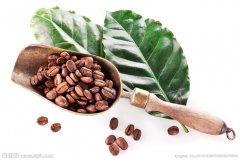
El Salvador is one of the small coffee countries of Central America.
Unique, mild coffee. El Salvador is one of the small countries in Central America and has a very dense population. Its coffee flavor is characterized by excellent balance. Today, this coffee accounts for 40% of the country's exports. The best quality coffee in January to March after 35% of the extra-hard beans exported to Germany. In the early 1990s, guerrilla warfare greatly damaged the country's national economy.

Introduction of coffee from 53 coffee producing areas in El Salvador coffee beans
Unique, mild-tasting coffee. El Salvador is one of the small countries in Central America with a dense population. The flavor of its coffee is characterized by excellent balance. Today, this coffee accounts for 40% of the country's exports. 35% of the extra hard beans of the best coffee are exported to Germany from January to March. In the early 1990s, guerrilla warfare greatly damaged the country's national economy.

Introduction to the overall soft flavor and taste characteristics of Salvadoran coffee manor
Farah Bandomatti National Liberation Front (Frente Farabundo Mart parala Liberacin Nacional), the ruling party. In October 1980, the Farah Bendomatti people's Liberation Army, the National Resistance Forces, the people's Revolutionary Army, the Central American Labor Revolutionary Party and the Communist Party of El Salvador jointly formed an armed front against the government. In January 1992, the Front signed with the Government

Angolan Coffee Tree Angolan Coffee Price
Angola is located in southwest Africa, with the capital Luanda, the western Atlantic Ocean, the Democratic Republic of the Congo to the north and northeast, Namibia to the south and Zambia to the southeast, and an outer enclave of Cabinda province bordering the Republic of the Congo and the Democratic Republic of the Congo. The Angolan economy is dominated by agriculture and minerals, as well as oil refiners.

Introduction of Bolivian coffee bean grinding scale varieties taste manor production area
There are mainly light industries such as food processing, wine making, cigarettes, textiles and so on. Mining is an important part of the Bolivian national economy. It is an exporter of mineral products and is rich in mineral resources, including tin, antimony, tungsten, silver, zinc, lead, copper, nickel, iron and so on. It has proven oil reserves of 188 million barrels and natural gas of 1.13 trillion cubic meters. The forest area is 56 million hectares. Coca is grown in Bolivia

El Salvador coffee beans are the most common coffee beans in the world.
Unique, mild coffee. El Salvador is one of the small countries in Central America and has a very dense population. Its coffee flavor is characterized by excellent balance. Today, this coffee accounts for 40% of the country's exports. The best quality coffee is exported to Germany from January to March after 35% of the extra hard beans. In the early 1990s, guerrilla warfare greatly damaged the country's national economy.

Introduction to the characteristics of the taste manor of Costa Rican boutique coffee
Costa Rica's economy, mainly tourism, agriculture and exports of electronic components, has grown rapidly since the recession in 1997. Costa Rica is located in the strip of Central America and in the center of the Americas. It has direct access to Eurasia and has easy access to the American market.

Salvadoran coffee with balanced taste and fine texture introduces boutique coffee.
In the early 1990s, guerrilla warfare greatly damaged the country's national economy, reducing coffee production from 3.5 million bags in the early 1970s to 2.5 million bags in 1990-1991. The eastern part of the country was most affected by guerrilla warfare, and many farmers and workers were forced to leave the manor. The shortage of funds has led to a sharp drop in coffee production, from 1200 kg per hectare in the past to no yield per hectare today.

El Salvador Coffee Bean Introduction Boutique El Salvador Coffee Bean Characteristics Boutique Coffee
Unique, mild coffee. El Salvador is one of the small countries in Central America and has a very dense population. Its coffee flavor is characterized by excellent balance. Today, this coffee accounts for 40% of the country's exports. The best quality coffee is exported to Germany from January to March after 35% of the extra hard beans. In the early 1990s, guerrilla warfare greatly damaged the country's national economy.

The origin of Salvadoran coffee. The flavor characteristics of Salvadoran coffee.
In the early 1990s, guerrilla warfare greatly damaged the country's national economy, reducing coffee production from 3.5 million bags in the early 1970s to 2.5 million bags in 1990-1991. The eastern part of the country was most affected by guerrilla warfare, and many farmers and workers were forced to leave the manor. The shortage of funds has led to a sharp drop in coffee production, from 1200 kg per hectare in the past to no yield per hectare today.

Flavor description of Salvadoran coffee beans with balanced taste introduction of grinding scale varieties
In the early 1990s, guerrilla warfare greatly damaged the country's national economy, reducing coffee production from 3.5 million bags in the early 1970s to 2.5 million bags in 1990-1991. The eastern part of the country was most affected by guerrilla warfare, and many farmers and workers were forced to leave the manor. The shortage of funds has led to a sharp drop in coffee production, from 1200 kg per hectare in the past to today's yield per hectare

The origin of Salvadoran coffee beans The origin of Salvadoran coffee beans Boutique coffee
Unique, mild coffee. El Salvador is one of the small countries in Central America and has a very dense population. Its coffee flavor is characterized by excellent balance. Today, this coffee accounts for 40% of the country's exports. The best quality coffee is exported to Germany from January to March after 35% of the extra hard beans. In the early 1990s, guerrilla warfare greatly damaged the country's national economy.

Introduction to the Variety characteristics of Brazilian Minas Sun Yellow bourbon Coffee Flavor description
Brazilian Minas Yellow bourbon Coffee Flavor description Variety characteristics introduce that the proportion of Brazilian coffee production in export income has plummeted. In the past 30 years, with the rise and development of Brazilian modern industry, especially steel, shipbuilding, automobile, aircraft manufacturing and other industries, the status of coffee in the national economy has declined year by year, but it is still one of the pillars of Brazil's economy. And Brazil is still

Introduction to the flavor and taste of El Salvador Himalayan coffee with balanced taste and fine texture
China Coffee Network El Salvador (ElSalvador) is one of the small countries in Central America, where coffee is light, fragrant, pure, slightly sour and characterized by excellent balance of flavor. It is a specialty of Central America. With sour, bitter, sweet and other taste characteristics, the best baking degree is moderate, deep. Salvadoran Coffee-Coffee Origin in the early 1990s, guerrilla warfare greatly damaged the country
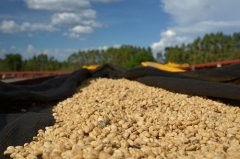
Salvadoran coffee introduces the taste characteristics of Salvadoran coffee
Salvadoran coffee refers to the coffee produced in the small South American country of El Salvador, where the coffee body is light, aromatic, pure, slightly sour, the flavor is extremely balanced, is a specialty of Central America. With sour, bitter, sweet and other taste characteristics, the best baking degree is moderate, deep. Coffee Origin in the early 1990s, guerrilla warfare greatly damaged the country's national economy and made coffee production.

A brief introduction to the flavor and aroma characteristics of Salvadoran coffee, a specialty of Central America
The government finally realized the great role of coffee in the national economy, such as solving employment, earning foreign exchange and developing agriculture, so it privatized some coffee export industries in 1990, hoping to increase the income rate of coffee in the export market. In Cuscacbapa, El Salvador, coffee beans that have been packaged are about to be exported. Coffee from El Salvador

Introduction to the flavor and taste of coffee from Paradise Bird Manor in Papua New Guinea
Papua New Guinea covers an area of 462840 square kilometres, with a total coastline of 8300 kilometres and a water area of 2.4 million square kilometres, including the 200-nautical-mile exclusive economic zone (2013). There are more than 600 islands in the territory. The islands are mountainous, with many volcanoes and frequent earthquakes. Including the eastern part of New Guinea (Irian), New England, New Ireland, Manas,